The digital platform to manage your livestock with real data
Centralize your livestock information and turn it into clear decisions. IdeasFarm integrates animals, paddocks, climate and productive performance into a single platform designed for dairy and beef operations.
Less time recording data. More time making better decisions.
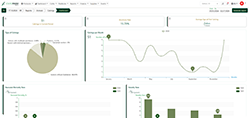
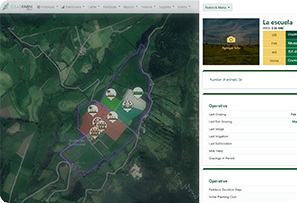
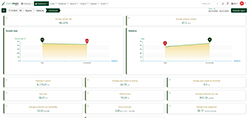
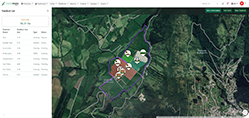
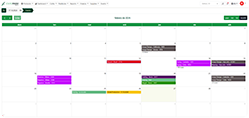
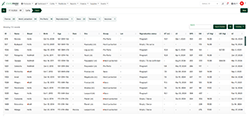
Manage your livestock with clear and actionable information
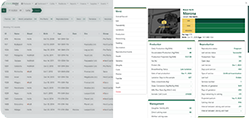
IdeasFarm organizes your livestock operational data and turns it into useful information to improve productivity, efficiency and system control.

All your livestock in one place
Access productive, health, reproductive and operational information in an organized way to clearly understand how your operation is performing.

Reliable data for better decisions
Reduce recording errors and avoid incomplete or duplicated information, ensuring a solid database for decision making.

Clear analysis without manual processes
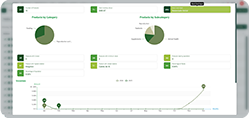
Evaluate animals, paddocks and results through clear and comparative reports, without spreadsheets or external processes.

More management, less administrative burden
Automate operational tasks and protocols to reduce administrative workload and focus time on producing better results.
Centralize and connect all your livestock information

Complete animal traceability
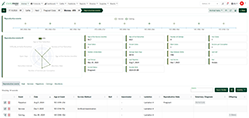
Record all animal events in chronological order including production, health, reproduction and movements, maintaining a clear, reliable and auditable history. Each record is linked to the animal and the moment it occurred, supporting traceability, historical analysis and technical and operational processes.
Support for reproductive decisions
Analyze productive, reproductive and health performance to support reproductive decisions based on real results. IdeasFarm does not replace genetic or genomic evaluations, but complements them with operational data.




IdeasFarm Index (IFI)
Comprehensive evaluation of individual animal performance
Standardized and comparable scale
Results are expressed on a common scale that allows clear and consistent comparison of animals within the herd.
Comparison against herd performance
The evaluation is mainly performed relative to the actual herd average, ensuring comparisons aligned with the production context.
Multidimensional evaluation
The IFI combines production, milk quality, fertility, reproductive health, general health, body condition, conformation and management into a single integrated evaluation.
Clear and actionable results
Charts, tables and comparisons allow quick identification of top performing animals, animals under alert and areas that require action.
IdeasFarm for Industry, Associations and Livestock Organizations

Capabilities for collaborative and sector work
Start with your data, without complications